Բնությունը բնիկ բնակչության բնազդային բնակավայրն է:
'Nature is the instinctive habitat of indigenous populations.'
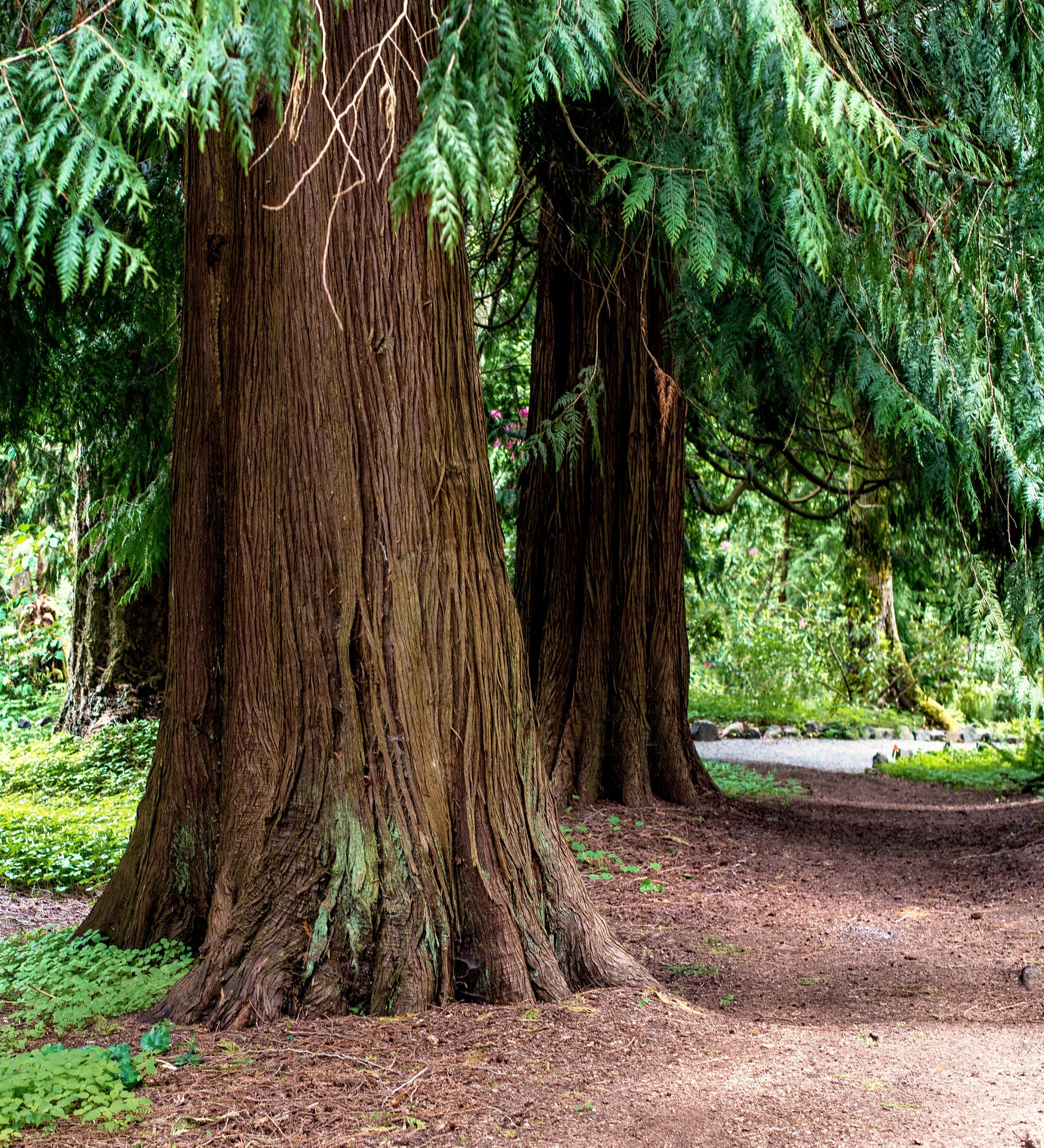
The five above concepts – բնություն [bnutjun] 'nature'; բնիկ [bnik] 'indigenous'; բնակչության [bnakchutjan] 'population'; բնազդ [bnazd] 'instinct' and բնակավայր [bnakavajr] 'habitat' – share one and the same root: բուն [bun] 'tree trunk'. This is no coincidence – the tree has since the dawn of times been our ancestors’ most intimate, most reliable and most faithful companion, so much so that it had ended up shaping their view not only of the world around them, but also of themselves. That unconscious, spiritual connection with Mother Nature is embedded in various languages, starting with English tree itself, cognate not only with truth and trust, but also with Icelandic trú ‘faith’, the latter being the most archaic Germanic language – after all, faith is trust in the truth.
An equally revelatory analogy to the բուն [bun]-based cognacy shines through derivatives of Slavic drevo ‘tree’, notably the Russian pair древний [drēvnij] ‘ancient’ (evocative of բնիկ 'indigenous') and д(e)ревня [derēvnja] ‘village’ (reminiscent of բնակավայր 'habitat'). The fact that բուն [bun] itself is a Middle-Iranian borrowing only adds to Armenian’s credit, all five derived word concepts – բնություն [bnutjun] 'nature'; բնիկ [bnik] 'indigenous'; բնակչության [bnakchutjan] 'population'; բնազդ [bnazd] 'instinct' and բնակավայր [bnakavajr] 'habitat' – being sheer Armenian innovations.
A further corroborative analogy is Russian вера [vēra] ‘faith’, cognate not only with доверие [dovērie] ‘trust’ and проверка [provērka] ‘verification’, but primordially with Latin veritas ‘truth’ itself, which English very – through Old French verai ‘true’ (hence Modern French vrai ‘true’ and, indeed, vérité ‘truth’) – goes back to. The Bible’s verily I say unto you is eloquent testimony thereto.
There are no ‘major’ or ‘minor’ languages on Earth – each and every language carries a spark of the Universal light!